Is 4G Still Worth Selling in 2026?
As 5G networks continue to expand worldwide, many distributors and network solution providers are asking the same question:
"Is the 4G router market coming to an end?"
The short answer is No.
In fact, 4G LTE routers remain one of the most practical and profitable networking products in many regions. While 5G attracts headlines, LTE continues to deliver reliable connectivity at an affordable cost—making it the preferred choice for millions of users and businesses.
Let's explore why 4G is still a smart business opportunity in 2026.
1. 4G Networks Still Cover the Vast Majority of Users
Although 5G deployment is accelerating, LTE remains the backbone of mobile broadband in many countries.
Large parts of Asia, Africa, Latin America, and the Middle East still rely heavily on 4G infrastructure. Even in developed markets, LTE provides broader geographic coverage than 5G, especially in suburban and rural areas.
For many users, stable internet access matters far more than peak download speed.
This makes 4G routers an ideal solution for:
- Home broadband replacement
- Rural internet access
- Temporary offices
- Construction sites
- Retail stores
- Small businesses
- Surveillance systems
- Backup internet connections
2. Lower Cost Means Faster Market Adoption
One of LTE's biggest advantages is affordability.
Compared with 5G solutions, 4G routers typically offer:
- Lower hardware costs
- Lower deployment costs
- More affordable data plans
- Lower maintenance expenses
For distributors and retailers, this translates into:
- More competitive pricing
- Faster inventory turnover
- Larger addressable markets
- Better profit opportunities in price-sensitive regions
In many emerging markets, customers simply want a stable internet connection at a reasonable price—and LTE delivers exactly that.
3. Speed Is Still More Than Enough for Most Applications
Many people assume they need 5G, but their daily internet usage tells a different story.
A quality LTE Cat4 or Cat6 router can comfortably support:
- HD video streaming
- Video conferencing
- Remote working
- Online education
- Web browsing
- Cloud applications
- Smart home devices
- Security cameras
For most households and small businesses, LTE performance is already sufficient for everyday connectivity.
4. New LTE Products Continue to Expand the Market
Today's 4G products are no longer limited to traditional home routers.
Manufacturers are introducing more flexible LTE devices designed for modern networking needs.
Examples include:
- Portable LTE routers
- Mini LTE CPE
- LTE routers with Ethernet ports
- Industrial-style LTE gateways
- Outdoor LTE CPE
- Vehicle networking solutions
These innovations create new opportunities across multiple industries.
For example, a compact portable LTE router with both Wi-Fi and an Ethernet port can connect laptops, IP cameras, POS terminals, desktop computers, printers, and many other Ethernet-enabled devices—making it significantly more versatile than a traditional MiFi hotspot.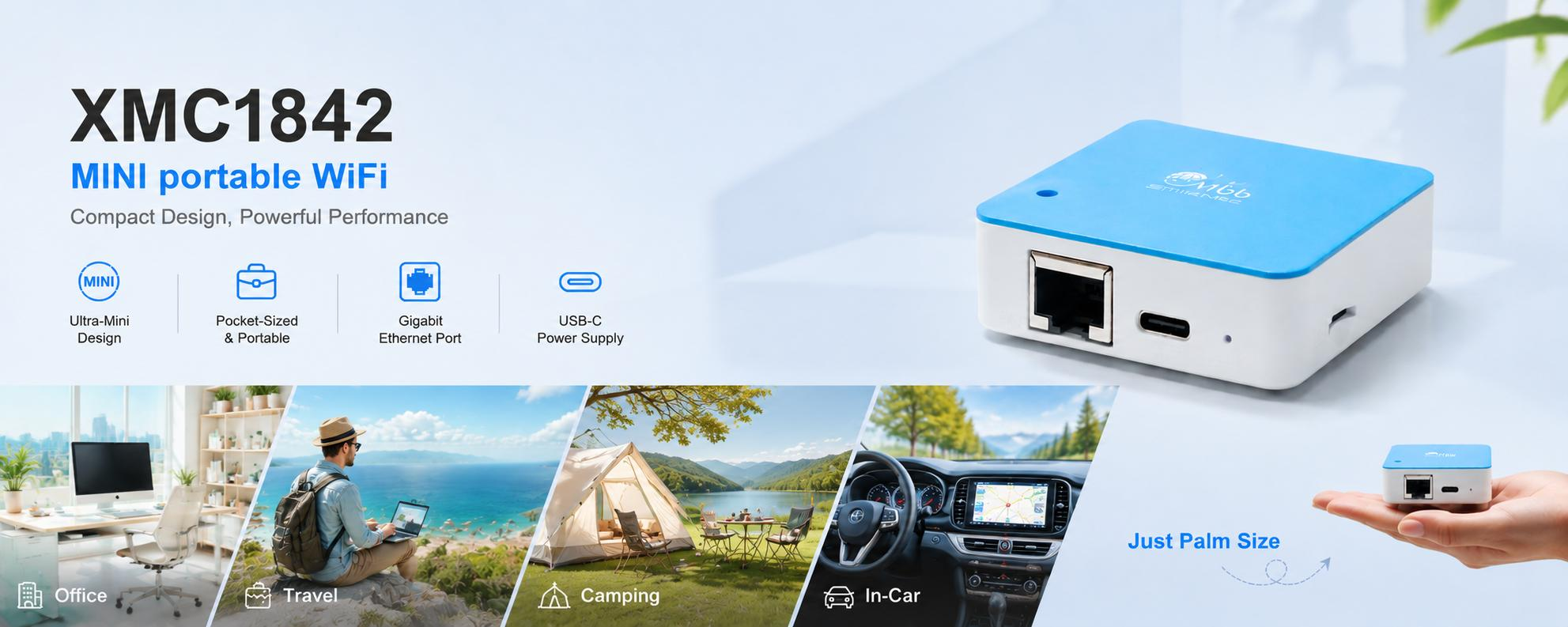
5. LTE Is Still the Preferred Choice for OEM Projects
Many networking brands continue to launch new LTE products under their own labels.
Why?
Because the demand is still there.
OEM customers often look for:
- Private label branding
- Customized firmware
- Packaging customization
- Regional frequency bands
- Operator-specific software
- Local certifications
Since LTE technology is mature and stable, development costs and production risks are lower than with many 5G projects, making LTE an attractive option for companies building their own networking brands.
6. 5G and 4G Are Not Competitors—They Serve Different Markets
The networking market is evolving, but it is not a simple replacement from 4G to 5G.
Instead, the market is becoming more diversified.
Generally speaking:
Choose 4G when:
- Cost is the priority
- LTE coverage is already sufficient
- Large-scale deployment is required
- Stable connectivity is more important than maximum speed
Choose 5G when:
- Ultra-high bandwidth is required
- Low latency is critical
- Local 5G infrastructure is mature
- Customers are willing to invest in premium networking solutions
For many distributors, offering both LTE and 5G products is the best way to meet different customer needs.
Conclusion
Despite the rapid growth of 5G, LTE remains an essential part of the global networking market.
Its combination of mature infrastructure, affordable pricing, broad coverage, and reliable performance ensures that 4G routers will continue to serve homes, businesses, and industries for years to come.
For networking brands, distributors, and OEM partners, LTE is still a profitable category with significant growth potential—especially in developing markets and specialized applications.
Rather than asking whether 4G is disappearing, a better question might be:
"Where can LTE create the next business opportunity?"
Looking for a Reliable LTE Router Manufacturer?
SmileMBB specializes in the design and manufacturing of 4G LTE and 5G wireless broadband devices, including:
- Portable 4G LTE Routers
- Mini LTE CPE
- Home LTE CPE
- 5G CPE
- 5G RedCap MiFi
- OEM & ODM Wireless Solutions
Whether you're building your own networking brand or expanding your product portfolio, our team is ready to help you bring reliable wireless connectivity to your market.