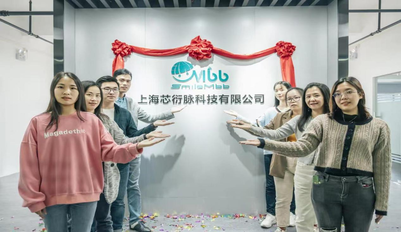




VSOL R&D and Manufacturing Headquarters Open: Powering Smilembb LTE/5G Routers
2025.06.17
SmileMbb is a subsidiary of V-SOL, a world-leading company in FTTH
Focusing on Products
15+year experience in providing EPON/GPON OLT, ONU, and 4G/5G CPE
Full-service Capability
Full services of hardware, firmware, software, manufacturing, and OEM/ODM
Professional Manufacturer
Offer manufacturing equipment covering SMT/DIP/Assembly/Testing line
How many devices can a 4G router really support? Learn how bandwidth, traffic type, Wi-Fi interference, CPU performance, and firmware affect real-world capacity.
Fiber-to-the-Home (FTTH) has become a major technology for delivering high-speed broadband to residential and business users. With its high bandwidth, low latency, and stable performance, fiber connectivity provides a reliable foundation for modern internet services. However, fiber broadband is not always available everywhere, and even established FTTH connections can experience service interruptions due to fiber damage, equipment failures, or maintenance. As a result, network operators an
Choosing the right 4G/5G device depends on the application environment and connectivity requirements. This article compares Indoor CPE, Outdoor ODU, and MiFi, explaining their key differences, features, and typical use cases. Learn which form factor is best suited for urban homes, rural broadband, fixed wireless access (FWA), and mobile connectivity.
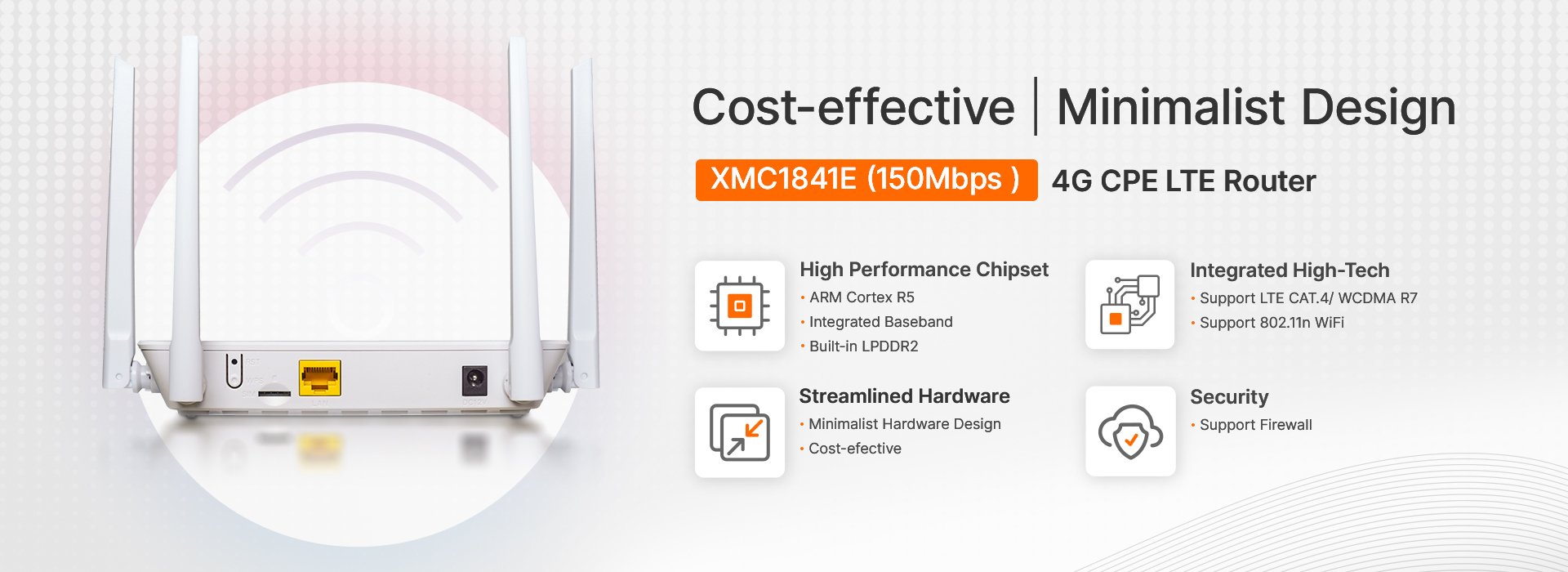
Smilembb focuses on 4G and 5G communications technology, providing IoT products and services of 4G and 5G indoor and outdoor CPE, industrial gateway and portable MiFi.
Meanwhile, SmileMbb owns a professional R&D team with over 100 engineers and production capacity up to 800K per monthly, supports OEM and ODM service for customers globally.